What 50 years of The Science Show tells us about science communication

How does someone go from being a bit player on Monty Python's Flying Circus to one of the longest-standing hosts on Australian radio? Just ask the ABC's Robyn Williams - the founding host, 50 years strong, of The Science Show.
I know Williams only as a frequent listener to The Science Show podcast for the last decade or so. His show is a magazine-style radio program which features interviews and carefully edited stories with Australian scientists across the spectrum. But, as the recent 50th Anniversary broadcast demonstrates, it is also much more than that. From powerful, changemaking investigations into the scourge of asbestos to foregrounding the achievements of Australian science on the world stage and early coverage of anthropogenic climate change, The Science Show survives and thrives because it hews to the facts but with a good dose of personality and humour.
The show, housed within the ABC's science unit, is a masterclass of storytelling with the kind of evocative sound design that brings the audio medium to life in a way largely unmatched by other formats. I regularly use several segments to demonstrate and discuss concise and effective approaches to audio storytelling for media and communication students I've taught. In particular, the two below are fantastic examples.
Louise Miolin's use of fun facts to open the piece paired with the wonderful sound of snuffling wombats combined with a simple story told with cute twists is fantastically entertaining. One of the keys to this story is the way it links to larger questions: instead of just being about the wombat itself, the piece turns to wider questions of change in the Australian environment over time.
 ABC listen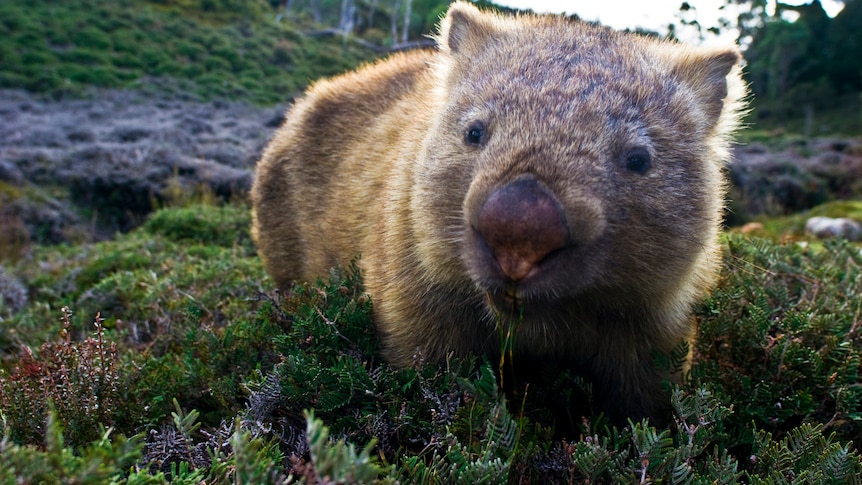
Likewise, Carl Smith's piece gives a real sense of space to London's Natural History Museum with crowd sounds, ambient echoes, and crafty descriptions. It shows why audio content is sometimes best produced out of the studio.
 Brought to you byABC Radio NationalPresented byCarl Smith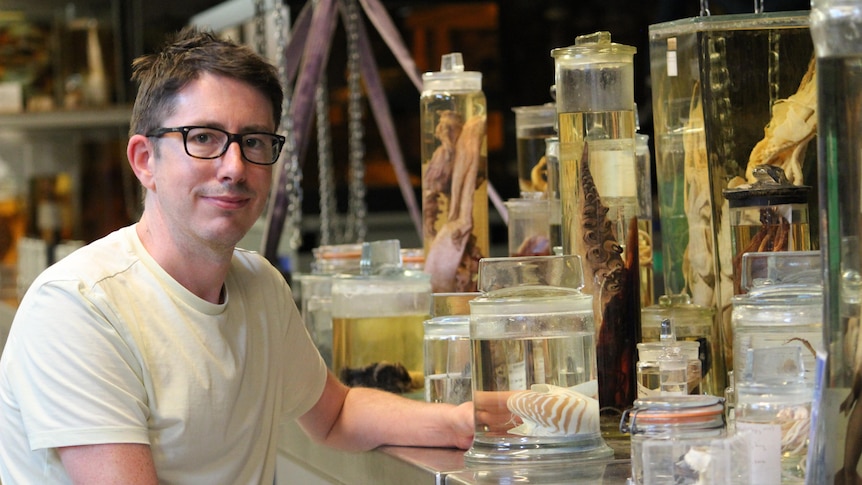
One of the widely recognised strengths of audio storytelling is the 'intimate' nature of the medium. This is particularly the case for podcasting but holds true of radio as well. What that means is the way that the presenters feel like they're talking directly to you, instead of a massed crowd of listeners. Compare, for example, a podcast segment like those above to a recorded lecture or talk. In his book Scholarly Podcasting, Ian Cook says that this sense of intimacy is "engendered through listening practices (earbuds that penetrate the body), listening choices (active subscription), and... expression of emotion".
Despite the show's success, longevity and impact, I can't help but wonder how it has outlasted the prevarications of ABC management over so many decades where other shows such as Catalyst have failed (albeit since replaced with the Catalyst Presents documentaries). In the past year, the Australian science magazine Cosmos closed (though somewhat replaced by the CSIRO's ConnectSci platform), and magazine The Skeptic stopped publishing printed versions. So what keeps The Science Show going?
The ABC's Charter requires it to provide "broadcasting programs of an educational nature", an aim of which there should be no doubt The Science Show meets. As well, the ABC is obligated to "to provide a balance between broadcasting programs of wide appeal and specialized broadcasting". Likely also the integrity and reputation of the overall science unit is partly to thank for insulating The Science Show from the winds of change. But as a show so very strongly entwined with its host, will The Science Show outlast Robyn Williams? Hard to say, although the recent introduction of the Lab Notes podcast on the same feed, presented by Belinda Smith, might point the way. Is this succession planning, format expansion and experimentation or something else?
[Since this piece was written, the first episode of 2026 confirmed that Belinda Smith is to co-host, while Johnathan Webb takes over Lab Notes.]
An audio format works particularly well for science topics like those covered in The Science Show because science is often dealing with the unseeable - whether molecular, cosmic, historical. Audio instead provides for the theatre of the mind, in which imaginative space comes to the fore. Here, instead of having everything provided for you, a well-crafted audio piece becomes a dance between the producer and the listener.
The intimacy is also built over time by getting to know the speaker, their tone and style. To return to Louise Miolin's wombat segment, it concludes (after more wombat snuffling), with a comment from Robyn Williams, in his distinct style, "no wonder the wombat is running." It is Williams' warmth, forthrightness, genuine inquisitiveness and enthusiasm that carries The Science Show alongside the wonderful contributions from other journalists, producers, editors, and interviewees.
The Science Show provides a case study in how to do science media well, both over the past decades and now, into 2026 and beyond. Let the science (and scientists) speak for itself. Pay attention to the craft of your medium - in this case, audio. Bring your authentic, curious self to both questioning and hosting duties, and allow your sense of humour and passion to shine through. Build trust and intimacy with the audience through quality work and that sense of authenticity and you'll find the audience you need.
Fifty years of consistency is both The Science Show's strength and its fragility. The show works because of its distinctive voice and established craft, but that same specificity makes it difficult to replicate or replace. In an era of abundant science content across YouTube, podcasts, and social media, The Science Show persists not by adapting to every platform shift, but by doing one thing exceptionally well in its native medium. The real test comes if or when some of those elements disappear.
Frequency is a fortnightly newsletter of analysis on the Australian media industry.